By Mindy Crawford | July 15, 2026
June 26 marked 20 years since I became Executive Director of Preservation Pennsylvania. I have been thinking about how to write about that milestone without making it simply about time passed, because the truth is that the work itself has never felt static. Preservation changes. Communities change. Threats change. Opportunities change. What remains constant is the belief that historic places matter – and that people, often a small group of determined people, can make a difference in what happens next.
Before coming to Preservation Pennsylvania, I worked for many years in local preservation at Historic York, Inc. That experience taught me the value of preservation at the community level: building by building, neighborhood by neighborhood, conversation by conversation. I learned how strongly people can feel about places that may not be famous but are deeply woven into the lives and memories of a community.
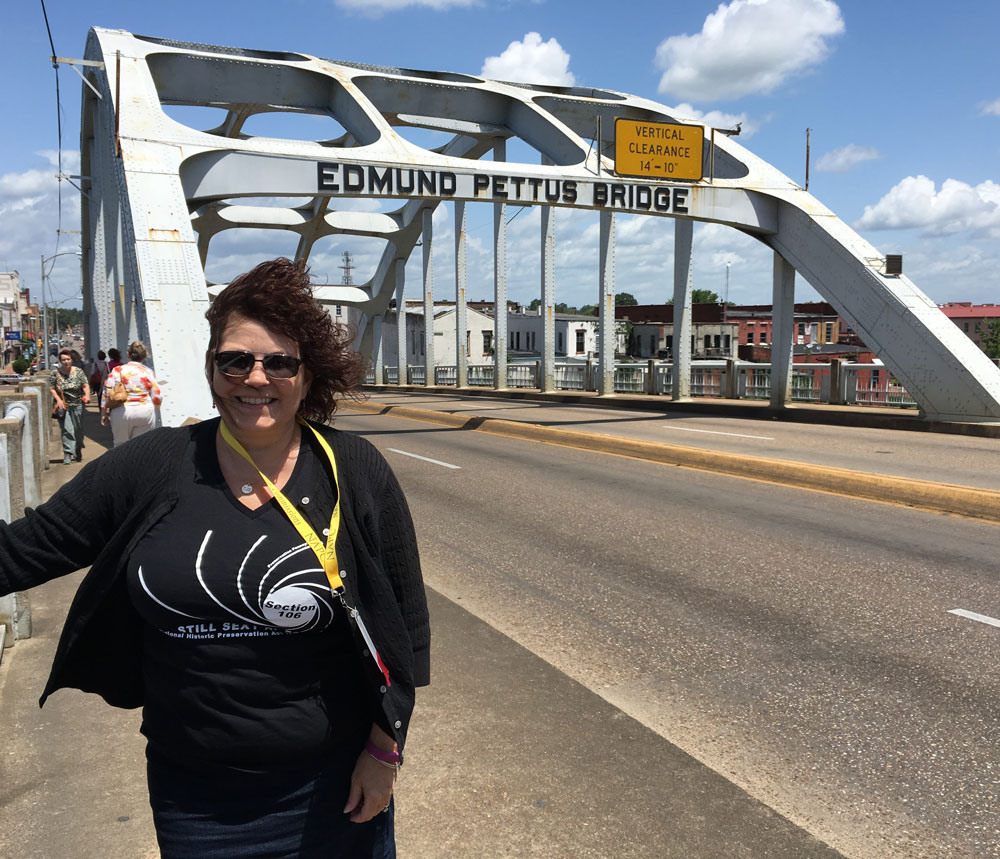
Crossing the Edmund Pettus Bridge, 2016
During the National Alliance of Preservation Commissions Conference in Mobile, we traveled to Selma and spoke with residents who had participated in the historic march across the Edmund Pettus Bridge. Of all the historic places I have visited, this remains the most powerful experience of my career.
Coming to Preservation Pennsylvania expanded that view from one county to the entire Commonwealth. Over the past 20 years, I have had the opportunity to work with people in communities large and small, rural and urban, prosperous and struggling, each facing its own version of the same question: what places from our past still have work to do in our future?
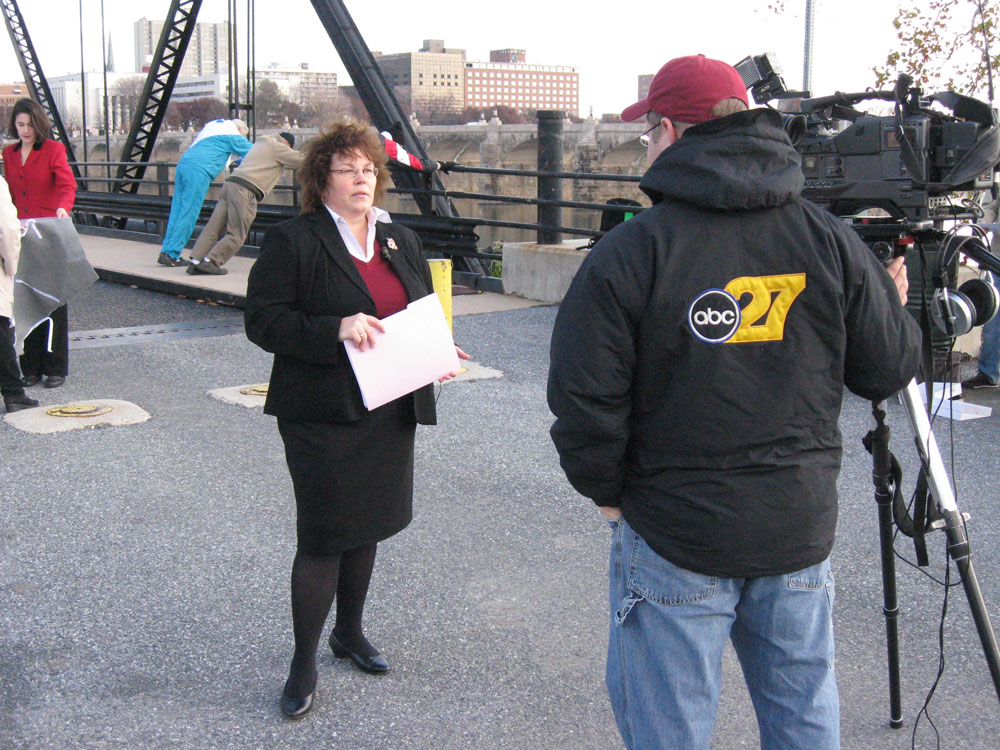
Pennsylvania At Risk: Historic Metal Truss Bridges, 2008
Preservation Pennsylvania listed historic metal truss bridges on the 2008 Pennsylvania At Risk list to call attention to their rapid disappearance. The announcement was held on Harrisburg’s Walnut Street pedestrian bridge, half of which was swept away by flooding in 1996.
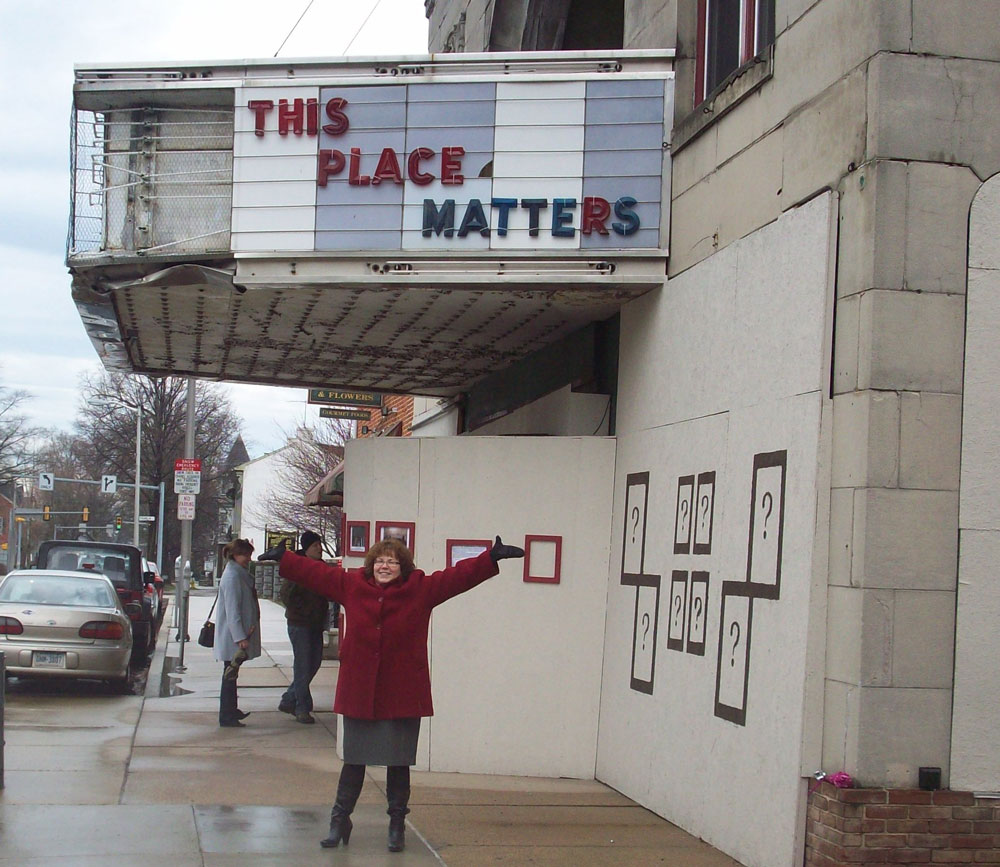
Pennsylvania At Risk: My Hometown Theater, 2011
We announced the 2011 Pennsylvania At Risk list in the vestibule of my hometown movie theater, then closed and deteriorating. I saw my first movie there with my dad – Mary Poppins – and had my first date there in 1975 to see Jaws.
That question has taken many forms. It may involve a threatened school, a vacant church, a historic bridge, a downtown building, a farmstead, an industrial site, a theater, a cemetery, a courthouse, or a National Historic Landmark. Sometimes the work is urgent and public. Sometimes it is slow, quiet and complicated. Sometimes there is a clear path forward. Sometimes there is not. And, as anyone in preservation knows, not every story ends the way we hope.
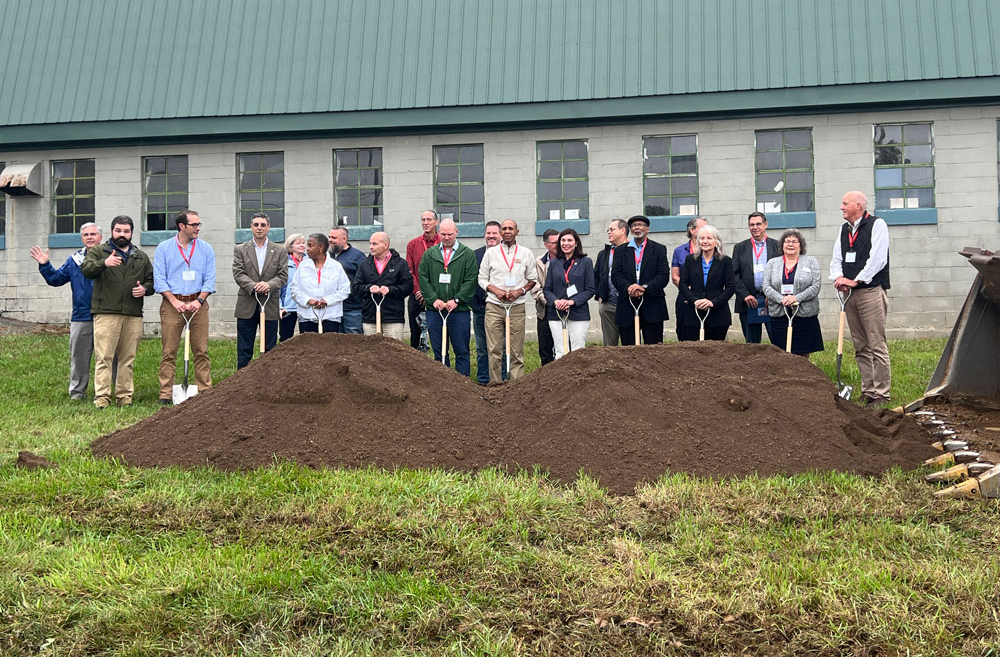
Mifflin House Groundbreaking
One of Pennsylvania At Risk’s most rewarding successes was the collaborative effort that saved the Mifflin House and led to the groundbreaking for the Susquehanna Discovery Center & Heritage Park.
But even when the outcome is uncertain, the work matters. Preservation is not only about saving buildings. It is about helping people understand value before it is lost. It is about giving communities tools, language, research, perspective and encouragement. It is about asking better questions before demolition becomes the default answer. It is about seeing older places not as obstacles, but as assets that can continue to serve.
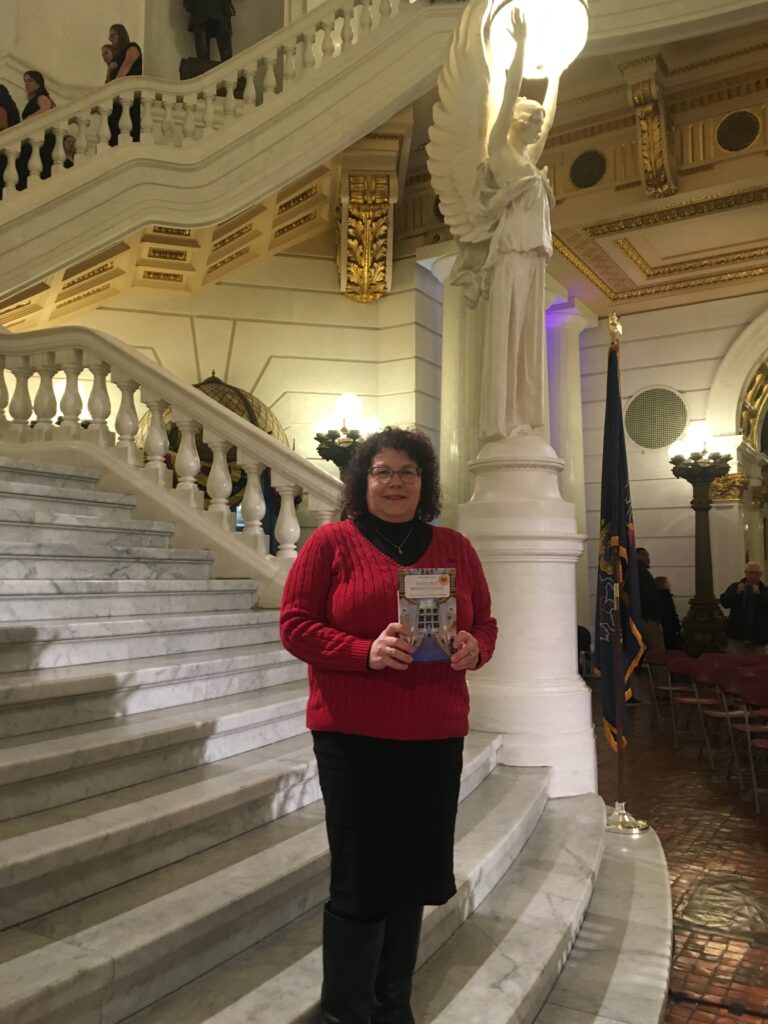
Becoming an Author, 2019
I was invited to write a book about Pennsylvania’s National Historic Landmarks for a national series. It was an opportunity I never would have received without the longtime colleagues who recommended me.
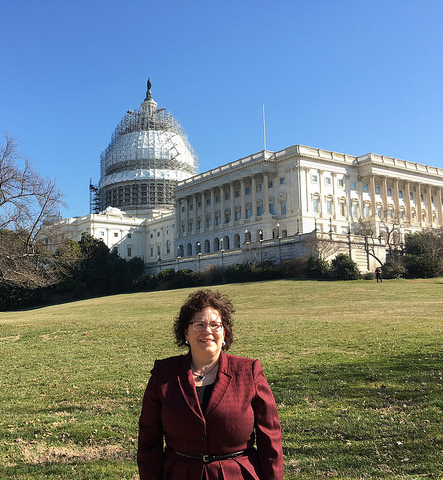
National Historic Preservation Advocacy Week, 2017
Each year, I travel to Washington, D.C., with colleagues from the Pennsylvania SHPO for National Historic Preservation Advocacy Week. I love the energy of the congressional office buildings filled with preservation advocates from across the country.
Preservation Pennsylvania has also given me opportunities to share what I have learned in other ways – through writing, teaching, public speaking, and conversations with students, advocates, property owners, public officials, and community leaders. Teaching historic preservation and architectural history has reminded me how important it is to help the next generation see buildings and landscapes not just as objects, but as evidence of human choices, values, labor, conflict, creativity and change.
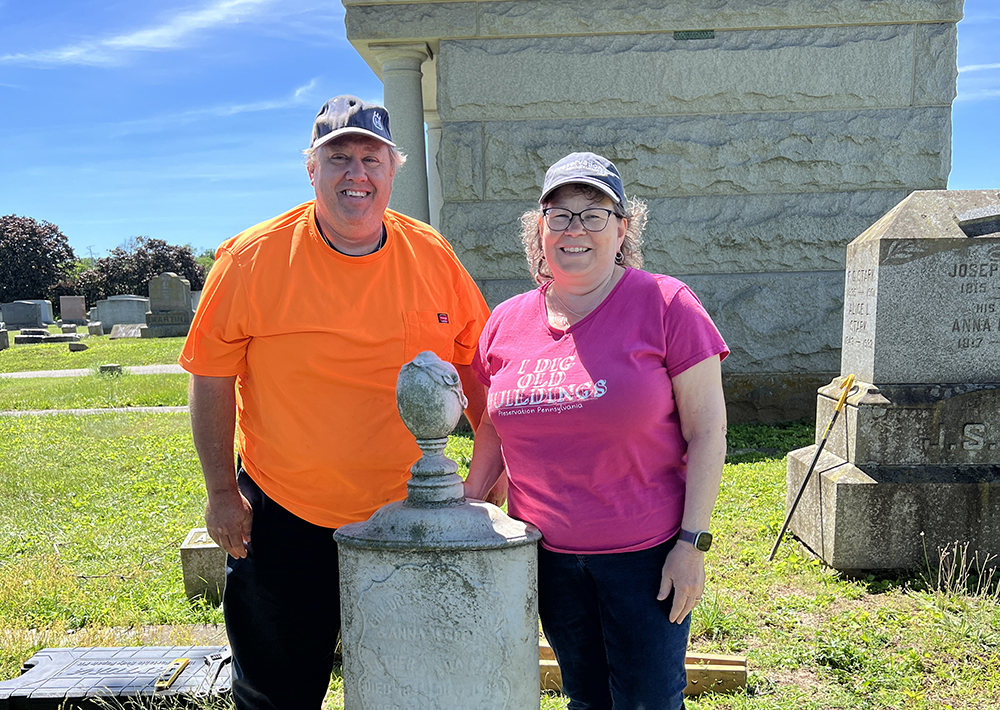
Cemetery Conservation Class, 2024
After administering an African American Cultural Heritage Action Fund grant with PA Hallowed Grounds, I participated in a three-session cemetery conservation course. It felt like the first day of Preservation Technology class all over again.
Those experiences continue to reinforce the same lesson: preservation is strongest when people understand that historic places are not separate from community life. They are central to it. They hold stories. They shape identity. They offer continuity. They can support housing, economic development, heritage tourism, education, environmental stewardship, and community pride. They help us see where we have been, but they also help us imagine what might still be possible.
After 20 years at Preservation Pennsylvania, I remain convinced that Pennsylvania needs a strong statewide preservation voice. Local advocates need someone to call when they are facing a threat and do not know where to begin. Communities need examples of what has worked elsewhere. Public officials need to understand that preservation and progress are not opposites. Property owners need guidance. Historic places need champions.
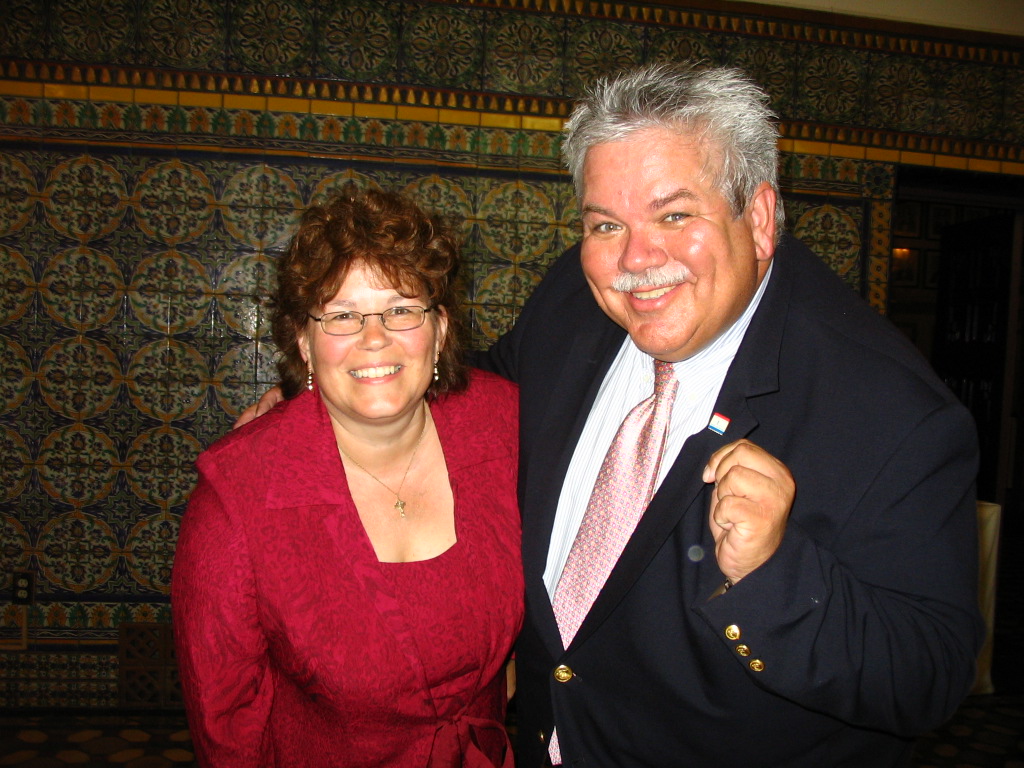
Honoring Rick Sebak, 2007
In 2007, I was thrilled to present WQED producer Rick Sebak with the F. Otto Haas Award, recognizing his remarkable body of work celebrating quirky places and Pennsylvania’s recent past.
I am grateful to the many people who have made this work possible: board members, partners, donors, volunteers, preservation colleagues, local advocates, and community members who have trusted Preservation Pennsylvania with places they care deeply about. I am especially grateful for the people who refuse to give up too quickly – the people who attend meetings, research deeds, write letters, raise money, tell stories, ask hard questions, and keep showing up.
Twenty years later, I still believe in this work. I still believe that places matter. And I still believe that Preservation Pennsylvania has an essential role to play in helping communities across the Commonwealth recognize, protect and reuse the historic places that tell Pennsylvania’s story.
The work continues, and I am grateful to be part of it.